The Supremacy of Knitwear in the Modern Luxury Aesthetic
The most direct path to a comfortable yet opulent wardrobe lies in the strategic use of premium knitwear. While traditional suiting offers structure, it often lacks the kinetic flexibility required for a truly comfortable daily experience. By replacing a rigid blazer with a heavy-gauge cashmere cardigan or a fine-knit merino turtleneck, the wearer maintains a sophisticated silhouette while enjoying the tactile softness of high-performance natural fibers. The “expensive” look here is derived from the luster and drape of the yarn; synthetic acrylic blends often look flat and pill easily, whereas animal fibers catch the light and retain their shape over time. Pairing a charcoal knit polo with fluid, wide-leg wool trousers creates a look that mirrors the elegance of a tuxedo but feels as effortless as a tracksuit. This is the hallmark of modern quiet luxury—clothing that whispers quality through its texture rather than screaming it through a logo.
Achieving Visual Wealth Through Tonal Minimalism and Cream Palettes
There is a psychological link between light, neutral colors and a high-status aesthetic. Outfits centered around shades of ivory, oatmeal, stone, and camel inherently look more expensive because they suggest a lifestyle of cleanliness and care. To execute this comfortably, focus on the “Monochromatic Texture Stack.” Imagine a pair of off-white brushed cotton chinos paired with a cream silk-linen blend shirt and a beige wool overcoat. Because the colors are so closely related, the eye is forced to appreciate the subtle differences in the fabric textures. This creates a “soft” visual power that is far more intimidating and refined than high-contrast dressing. The comfort comes from the relaxed fits often found in these palettes—oversized linen or soft corduroy—which allow for maximum airflow and movement without looking sloppy.
The Architecture of Structured Loungewear and Technical Tailoring
The rise of “Technical Tailoring” has revolutionized the concept of looking expensive. Brands are now utilizing high-twist wools and nylon-elastane blends that look exactly like traditional dress pants but possess the four-way stretch of athletic leggings. To build a comfortable, expensive-looking outfit, look for trousers that feature a hidden elasticated waistband or a drawstring tucked inside the lining. When paired with a structured, unlined “swacket” (a hybrid between a shirt and a jacket), you create a crisp, architectural frame for the body. This setup is ideal for long-haul travel or high-pressure meetings where physical restriction would lead to mental fatigue. The key is the “Press”: as long as the garment maintains a sharp crease and a clean shoulder line, the internal comfort remains your private luxury.
Footwear Foundations: The Rise of the Luxury Hybrid
You cannot look expensive if your feet are in pain. The evolution of footwear has introduced the “Hybrid Loafer”—a shoe with the elegant upper of a classic penny loafer but the cushioned, ergonomic sole of a high-end running shoe. Pairing these with invisible socks and slightly cropped trousers provides a clean, continuous line that elongates the leg. For a more casual look, the minimalist leather sneaker in “Triple White” or “Navy Suede” remains the gold standard. By choosing footwear with calfskin linings and margom rubber soles, you ensure that every step is supported. The visual expensive-ness comes from the lack of clutter; no heavy branding, no neon colors—just pure, high-grade leather that shapes to your foot over time, proving that true luxury is a personal, sensory experience.
The Power of the “Third Layer” in Creating a Finished Silhouette
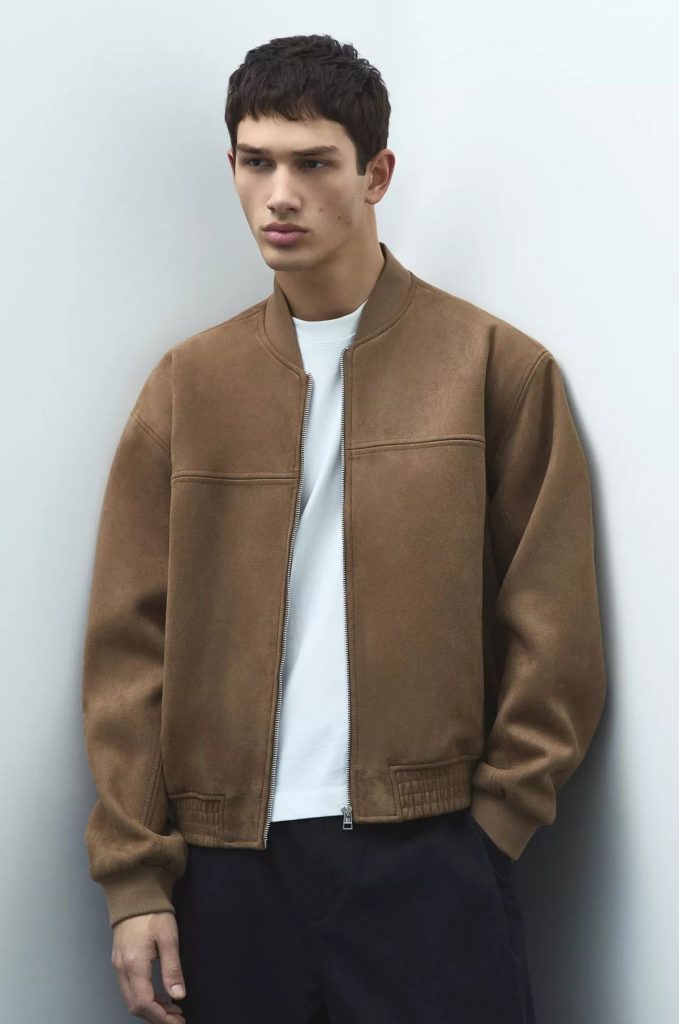
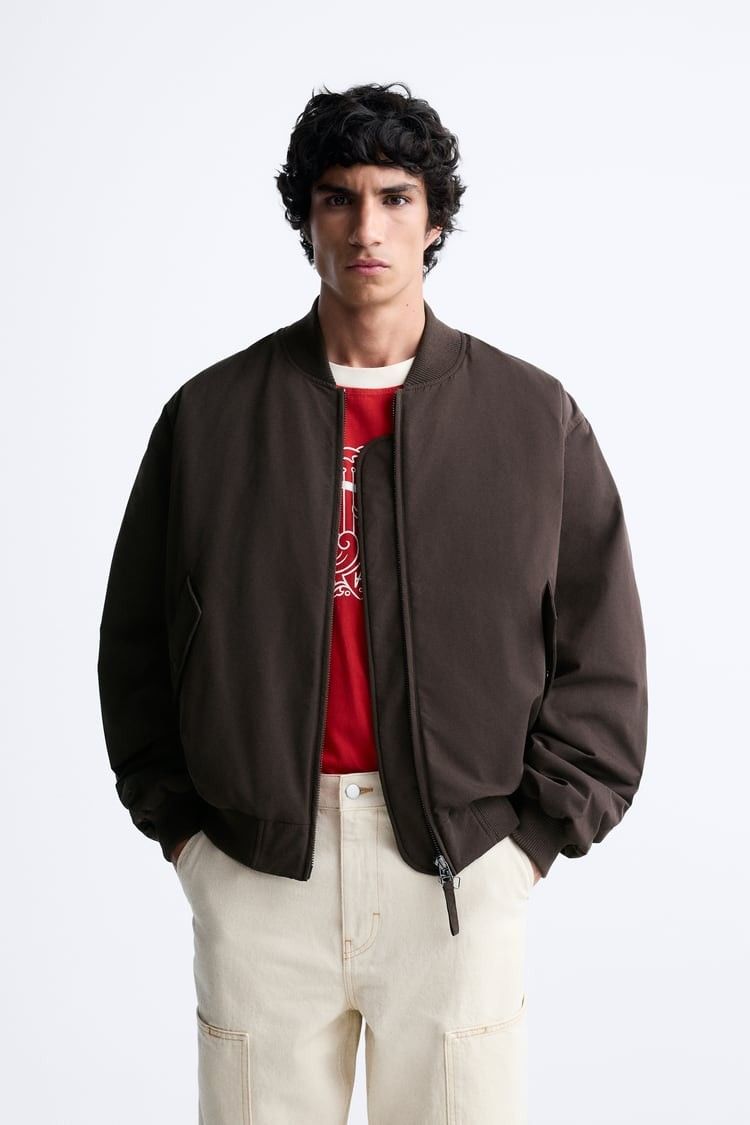
A common mistake in comfortable dressing is stopping at two layers (a shirt and pants), which can often look unfinished or overly casual. To elevate the look to an “expensive” tier, always add a lightweight third layer. This could be a deconstructed linen vest, a technical trench coat, or even a high-quality sweater draped over the shoulders. This layer acts as a frame, adding vertical lines to your body which creates a taller, more authoritative presence. Because these layers are unconstructed and lightweight, they don’t add bulk or heat, but they do add a significant amount of “stylistic weight.” It transforms a simple t-shirt and jeans into a curated ensemble, showing that you have taken the extra step to “finish” your presentation.